
For most people arriving in Benidorm today, the first impression is unmistakable: tall skyscrapers, large beaches, busy nightlife, and a skyline that looks more like a modern city than a traditional Mediterranean town. It’s easy to assume that Benidorm has always been this way.
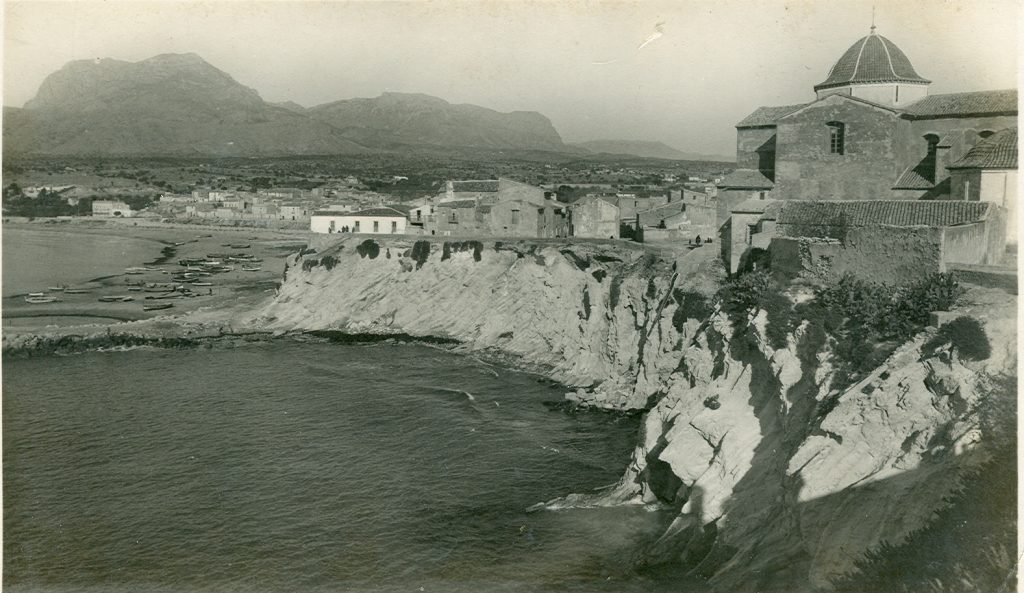
But long before the high-rise hotels and international tourism arrived, Benidorm was a small coastal fishing village. Life revolved around the sea, local agriculture, and a close-knit community that depended heavily on fishing routes across the Mediterranean.
Understanding this earlier chapter of Benidorm helps explain why certain parts of the town still feel surprisingly traditional. If you know where to look, you can still find traces of the village that existed here centuries before tourism transformed the area.
The Original Fishing Village
Benidorm’s origins go back several centuries, when it was primarily a maritime settlement built around fishing and trade. Families lived close to the shore, and most economic activity was tied to the sea.
Local fishermen developed strong skills in long-distance fishing, particularly targeting tuna using traditional almadraba fishing techniques, which were common along the Mediterranean coast.
Daily life followed a rhythm that looked very different from today:
- Boats leaving early in the morning for fishing trips
- Nets being repaired along the shoreline
- Small markets selling fresh fish and produce
- Families living in modest whitewashed houses near the harbor
The coastline provided both opportunity and danger. Fishing supported the local economy, but storms and pirates were real threats during earlier centuries.
Even though modern Benidorm is very different, the village foundations still shape parts of the town’s layout.

The Old Town: Where the Village Once Stood
If you want to see the closest thing to Benidorm’s original village atmosphere, the place to explore is the Old Town (Casco Antiguo).
Located on the rocky hill between Levante Beach and Poniente Beach, this area was once the center of the fishing community. The narrow streets and small plazas reflect the structure of the original settlement.
Key features that reveal the town’s past include:
- Narrow winding streets designed before cars existed
- Small houses and traditional buildings that survived the tourism boom
- Local tapas bars and family-run restaurants that continue long traditions
- Plazas that once served as meeting points for fishermen and traders
Walking through the Old Town today gives a very different impression than the surrounding high-rise districts. It feels slower, more local, and more connected to the town’s earlier identity.
The Church of San Jaime and Santa Ana
One of the most recognizable landmarks in the Old Town is the Church of San Jaime and Santa Ana.
Built in the 18th century, this church stands near the top of the old hill and overlooks the Mediterranean. It has long been an important religious and cultural center for the local community.
Historically, fishermen would often pray here before leaving on long fishing journeys. Even today, the church remains central to many of Benidorm’s traditional celebrations and festivals.
Its blue dome has become one of the visual symbols of the Old Town and a reminder of the town’s pre-tourism heritage.

The Balcón del Mediterráneo
Just beside the church is one of the most famous viewpoints in Benidorm: the Balcón del Mediterráneo.
This white terrace sits on the exact point where the original defensive structures once protected the town from pirate attacks during earlier centuries.
Before the modern promenade existed, this area functioned as part of a small coastal fortress used to watch the sea and warn residents of approaching danger.
Today it offers panoramic views of both Levante and Poniente beaches, but historically it served a much more practical purpose.
Standing here is one of the easiest ways to imagine what Benidorm looked like before tourism: a small community surrounded by open coastline.
The Fishing Heritage That Still Exists
Although tourism eventually replaced fishing as the town’s main economic activity, the fishing tradition has not completely disappeared.
The nearby port still supports some fishing activity, and local seafood remains an important part of regional cuisine.
Many traditional dishes served in Benidorm restaurants come directly from this maritime heritage, including:
- Arroz a banda
- Caldero-style seafood rice dishes
- Fresh grilled fish
- Seafood stews
These recipes developed during the fishing village era, when fishermen often cooked simple meals using the day’s catch.
So even if the boats are fewer today, the culinary traditions of the fishing community still influence local food culture.

When Tourism Changed Everything
The transformation of Benidorm began during the 1950s and 1960s, when local leaders decided to develop tourism as the town’s future economic engine.
Rather than expanding horizontally like many other coastal towns, Benidorm adopted a vertical development model. Tall buildings allowed large numbers of visitors to stay near the beach without spreading across the entire coastline.
This decision created the skyline that defines Benidorm today.
For longtime residents, the change happened quickly. A quiet fishing village evolved into one of Europe’s most famous seaside destinations within a few decades.
Yet despite the dramatic transformation, the Old Town still preserves important elements of the past.

Finding the Historical Side of Benidorm Today
For digital nomads and long-stay visitors, discovering the historical side of Benidorm offers a refreshing contrast to the city’s modern tourism infrastructure.
Some of the best ways to explore this earlier history include:
- Walking through the Old Town streets early in the morning
- Visiting the Church of San Jaime and Santa Ana
- Spending time at the Balcón del Mediterráneo viewpoint
- Trying traditional seafood dishes in Old Town restaurants
- Exploring the small plazas and local shops away from the main tourist areas
These places reveal a quieter version of Benidorm that many short-term tourists never notice.
And for people staying in the city longer, understanding this history helps make the modern skyline feel less overwhelming and more connected to the town’s roots.
Benidorm may be known worldwide for its skyscrapers and nightlife, but beneath that modern image lies a story that started with fishermen, small boats, and a village built around the sea.