

Benidorm often gets judged through extremes: either as a carefree party city or as a quiet retirement hub. For digital nomads and long-stay visitors, everyday reality sits somewhere in between. From a safety perspective, Benidorm is generally low-risk, but like any city with heavy tourism, there are specific zones, behaviours, and situations that deserve context.
This guide isn’t about creating fear. It’s about understanding how safety actually works in practice in Benidorm — what locals watch out for, what problems are common (and which are not), and how to move through the city confidently without being careless.
How Safe Is Benidorm Overall?
For day-to-day life, Benidorm is one of the safer coastal cities in Spain. Violent crime is rare, random assaults are uncommon, and most issues reported involve non-violent theft or nuisance situations tied to nightlife.
A major reason is structural: Benidorm is built around tourism. There is consistent police presence, strong lighting, CCTV in central areas, and a local economy that depends on visitors feeling safe enough to return.
That said, safety in Benidorm is situational rather than uniform. Knowing where issues tend to occur — and when — matters far more than general crime statistics.
Areas Where Nomads Usually Feel Safest
Poniente Area
Poniente is widely considered the calmest part of Benidorm. It has fewer late-night bars, more residential buildings, and a slower evening rhythm. Streets are quieter, and noise drops significantly after dark.
For nomads who prioritise sleep, routine, and focus, Poniente consistently feels safe and predictable both day and night.
Old Town (Casco Antiguo)
The Old Town is lively but generally safe. Streets are narrow, well lit, and active throughout the day. The main issues here are:
- Crowding during peak hours
- Occasional pickpocketing in busy evenings
It’s safe to walk through, but like any dense pedestrian area, awareness matters when it’s busy.
Levante Area
Levante isn’t inherently dangerous, but it is the most situationally sensitive area. This is where nightlife concentrates, alcohol consumption peaks, and crowds become dense late at night.
Most problems here involve intoxication rather than crime. During the daytime, Levante is typically calm and functional. Late nights — especially on weekends — require more awareness.

Mugger’s Alley: What It Is and Why It Gets Mentioned
“Mugger’s Alley” is not an official street name, but an informal term used by locals, expats, and long-stay visitors to describe a narrow access route close to the Levante nightlife zone, near some of the most bar-dense streets.
It has gained its reputation due to:
- Reported pickpocketing incidents
- Distraction techniques (people initiating unsolicited interaction)
- Presence of sex workers late at night
- High foot traffic combined with alcohol-fuelled crowds
Importantly, this is not a violent area. The risk here is opportunistic theft, not muggings in the literal sense. Incidents usually involve distraction, proximity, or intoxicated tourists rather than force.
Key context:
- Risk is mainly late at night
- Daytime passage is generally uneventful
- Problems increase when crowds spill out of nearby bars
Local advice is simple:
- Don’t engage with unsolicited interaction
- Keep phones and wallets secured
- Walk through confidently and without stopping
- Avoid passing through late at night if alone and unfamiliar
For nomads, the most effective strategy is structural: don’t live near nightlife shortcuts if you value calm and safety.
Common Scams and Petty Issues
Benidorm does not have complex scam networks. Most issues are straightforward and avoidable.
Pickpocketing
Occurs mainly:
- In crowded nightlife areas
- During festivals or peak season
- When phones or bags are left exposed
This is the most common issue and is rarely aggressive.
Overcharging in Tourist Zones
More annoyance than danger. Always check menus and prices in highly tourist-oriented streets.
Rental Scams
Usually online rather than in person. Red flags include:
- Requests for deposits before viewings
- Refusal to provide contracts
- Prices far below market value
If urgency is being used to pressure you, walk away.

Nightlife Safety: What Actually Matters
Nightlife-related issues in Benidorm are almost always tied to alcohol, not crime. Arguments, disturbances, and minor fights usually involve intoxicated tourists.
If you:
- Avoid peak party streets late at night
- Don’t engage with confrontational behaviour
- Leave areas when they feel chaotic
You’ll almost never encounter serious problems.
Daytime Safety and Daily Life
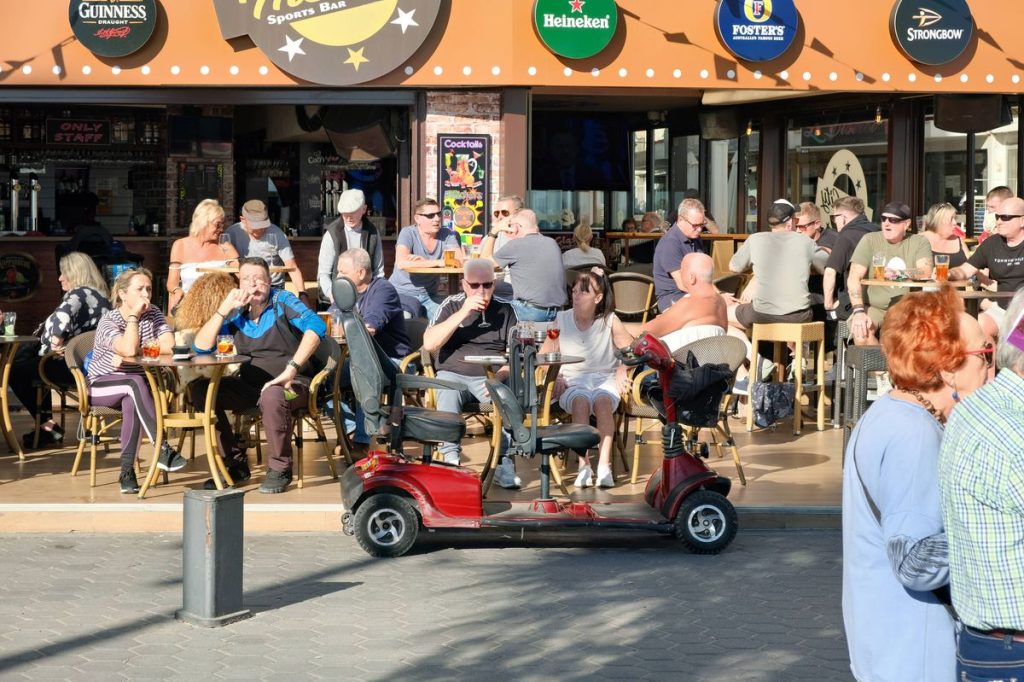
Daytime Benidorm is very safe. You’ll see:
- Elderly residents walking alone
- Families everywhere
- People working from cafés without concern
Running errands, walking long distances, or working from public spaces rarely feels risky. This is one of Benidorm’s strongest points for long-term living.
Transport and Moving Around
Public transport is reliable and safe. Buses and trams are well used and monitored. Walking routes are well lit, and police presence is visible in central zones.
Scooters and bikes require caution due to traffic patterns — not crime.
How Locals Stay Safe (And Why It Works)
Locals don’t behave defensively — they behave aware. They:
- Avoid unnecessary late-night crowds
- Know which streets are purely tourist funnels
- Keep belongings simple and secure
- Don’t escalate situations
Adopting this mindset is more effective than relying on fear or rigid rules.
What Nomads Often Overestimate
Many newcomers overestimate:
- The risk of violent crime
- The danger of walking alone
- The likelihood of being targeted
Benidorm’s issues are mostly predictable, visible, and avoidable.
What Actually Keeps You Safe Long-Term
Safety in Benidorm comes down to alignment:
- Choosing the right area
- Living like a resident, not a tourist
- Understanding when crowds change behaviour
Do that, and Benidorm becomes not just safe, but comfortable — a city where daily life rarely feels tense or risky.