
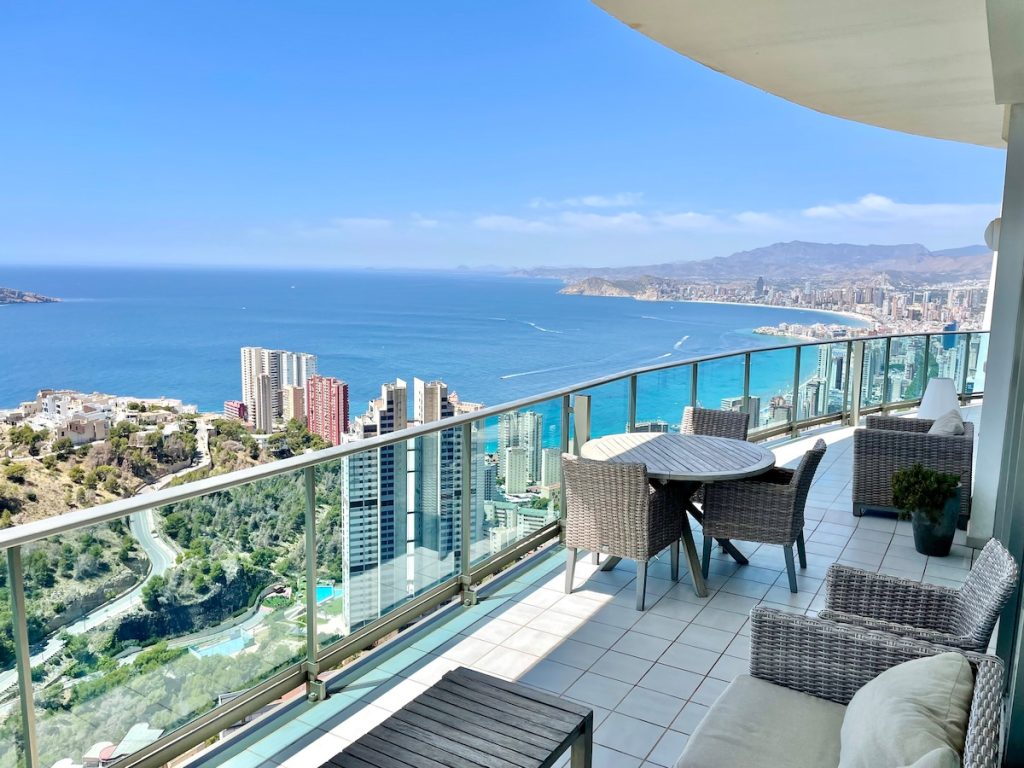
At first glance, Airbnb seems like the perfect solution for remote workers moving to Benidorm. It’s flexible, widely available, and removes the friction of long-term contracts, paperwork, and commitments. You can arrive with a laptop, book a place in minutes, and start living almost immediately.
And for short stays, that convenience is hard to beat.
But once you move beyond the initial phase—especially if you’re staying for more than a few weeks—the reality of Airbnb living in Benidorm becomes more complex. What feels easy at the beginning can slowly turn into something less efficient, less stable, and sometimes more expensive than expected.
Understanding that transition is key if you’re planning to work remotely from the city.
The First Weeks: Why Airbnb Feels Like the Perfect Setup
The early experience of Airbnb in Benidorm is usually very positive. You get immediate access to a fully furnished apartment, often in a good location, without needing to deal with agencies or deposits. For digital nomads arriving from abroad, this removes one of the biggest barriers: uncertainty.
There’s also a psychological benefit. Everything is ready. You don’t need to think about furniture, utilities, or setup. You can focus entirely on settling in, exploring the city, and maintaining your work routine.
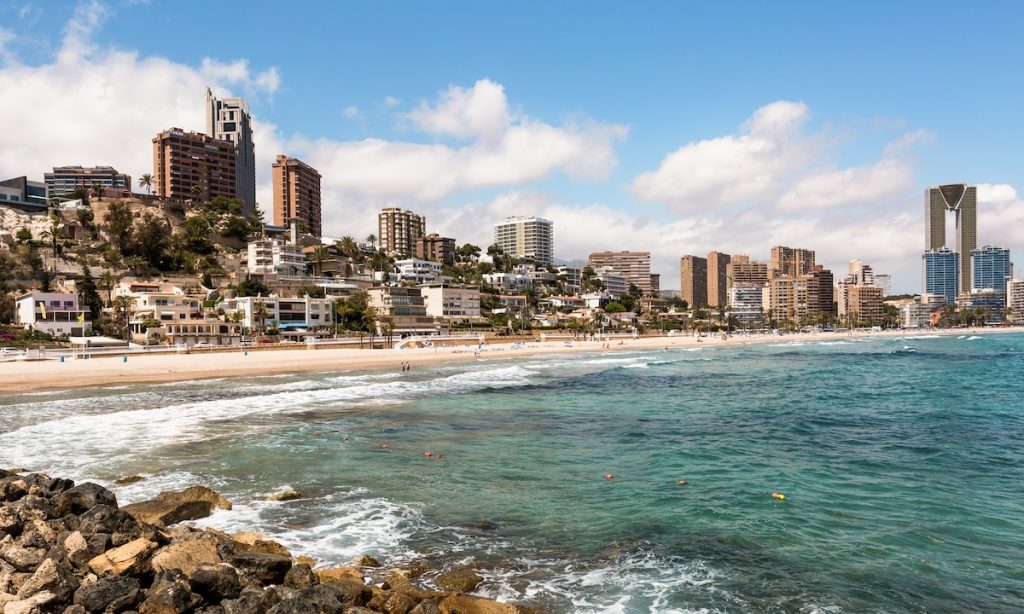
In a place like Benidorm—where location matters a lot—Airbnb also allows you to test different areas. You can stay near Levante, then try Poniente, and quickly understand which environment suits your lifestyle better.
In the short term, it feels like freedom.
The Shift: When Flexibility Starts Becoming Friction
The problem doesn’t usually appear immediately. It starts after a few weeks, when the same flexibility that made Airbnb attractive begins to create instability.
You don’t fully “settle.” There’s always a temporary feeling, even if your stay is extended. You’re aware that your current setup is not permanent, which subtly affects how you organize your space, your routine, and even your work habits.
Small things start to matter more than expected:
- inconsistent WiFi quality
- lack of proper workspaces (tables, chairs, lighting)
- noise from neighboring apartments or tourist activity
- minor maintenance issues that aren’t fixed quickly
Individually, these are manageable. But together, they create friction that accumulates over time.
And for remote work, that friction directly impacts productivity.
The Workspace Problem Most People Underestimate
One of the biggest gaps in Airbnb living—especially in Benidorm—is the lack of proper work setups.
Most apartments are designed for short-term stays, not for people working daily from home. That means:
- dining tables instead of desks
- uncomfortable chairs
- poor lighting
- limited space to separate work and rest
At first, it doesn’t seem like a big issue. But after days or weeks of working in the same improvised setup, it starts affecting both comfort and focus.
This is where many remote workers begin shifting to cafés or coworking alternatives. But that creates another layer of inconsistency, especially in a city where café environments are not always designed for long work sessions.
What looked like a flexible solution starts requiring constant adjustments.
Cost: Cheap at First, Expensive Over Time
Airbnb pricing in Benidorm can be deceptive.
Nightly rates often look reasonable, especially outside peak season. But when you extend that into weeks or months, the cost structure changes. Service fees, cleaning fees, and seasonal demand quickly push the total price higher than expected.
Compared to long-term rentals, Airbnb almost always becomes more expensive over time.
This creates a trade-off:
- short-term flexibility vs long-term financial efficiency
Many remote workers accept the higher cost at the beginning because it simplifies the transition. But staying in that model for too long often leads to unnecessary spending—especially if you’re planning to stay in Benidorm for several months.

The Tourist Environment Factor
Another aspect that’s often overlooked is the nature of the buildings themselves.
Many Airbnb apartments in Benidorm are located in buildings with high tourist turnover. That means:
- frequent check-ins and check-outs
- changing neighbors every few days
- varying noise levels
- inconsistent building dynamics
This unpredictability can be distracting, especially if your work requires concentration or regular calls.
In quieter areas like Poniente, this effect is reduced—but not completely eliminated. The core issue remains: Airbnb is built around short stays, and the environment reflects that.
The Psychological Effect of “Temporary Living”
Beyond the practical issues, there’s also a mental layer that becomes more noticeable over time.
Living in an Airbnb keeps you in a semi-transient state. You’re not fully invested in the space. You don’t personalize it. You don’t build routines around it in the same way you would with a long-term home.
This might sound minor, but for remote workers, environment plays a significant role in consistency.
When your living space feels temporary, your routine often becomes temporary as well.
And that can lead to:
- less structured workdays
- more reliance on external environments (cafés, public spaces)
- a general feeling of instability
Not dramatic—but enough to affect long-term productivity.
When Airbnb Still Makes Sense
Despite all of this, Airbnb is not a bad option. It just needs to be used strategically.
It works very well for:
- the first 2–4 weeks in the city
- testing different neighborhoods
- short stays or transitional periods
- people who prioritize flexibility over cost
In those situations, the advantages clearly outweigh the downsides.
The mistake is treating Airbnb as a long-term solution without adjusting expectations.
The Transition Most Remote Workers Eventually Make
After the initial phase, many remote workers in Benidorm naturally shift toward more stable arrangements.
This doesn’t always mean signing a long-term lease immediately. It can also mean:
- negotiating monthly rates directly with owners
- using mid-term rental platforms
- finding apartments through local contacts
The goal is not just to reduce cost, but to increase stability:
- better workspace setup
- consistent environment
- clearer routine
Once that transition happens, productivity and overall comfort usually improve significantly.
The Real Takeaway
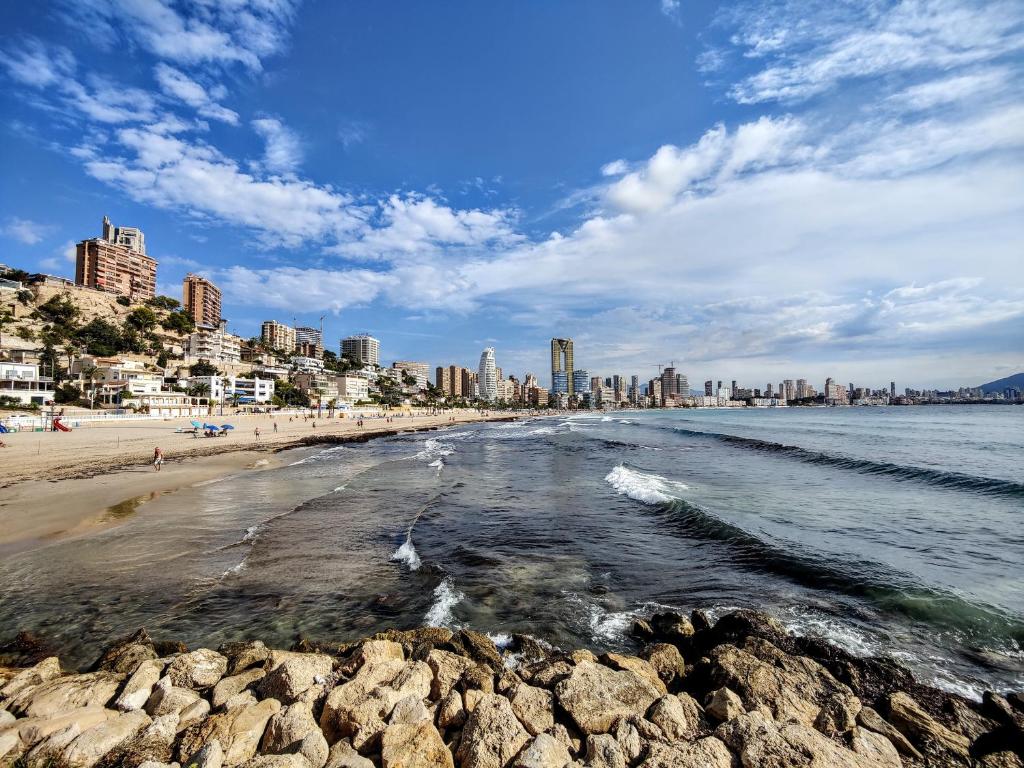
Airbnb in Benidorm is not a problem—it’s a phase.
It’s one of the easiest ways to enter the city, test your lifestyle, and get started without friction. But it’s not designed for long-term remote work, even if it seems that way at first.
The key is recognizing when to move on.
Because the same flexibility that helps you arrive can eventually hold you back if you stay in it for too long.
Living in Airbnb in Benidorm feels effortless at the beginning—and that’s exactly why it’s so appealing. But remote work is not just about convenience. It’s about consistency, structure, and having an environment that supports your daily routine.
Airbnb gives you access.
It doesn’t give you stability.
And for most remote workers, that distinction becomes clear with time.
If you use Airbnb as a starting point rather than a permanent solution, it can work extremely well. If not, it can quietly become one of the biggest limitations in your setup.