

Arriving in Benidorm for the first time can feel deceptively easy. The airport transfer is smooth, the weather is welcoming, and within hours you can be sitting on a terrace with a coffee wondering why everyone doesn’t live like this. That initial ease is real — but it can also hide the small adjustments and practical realities that only show up once the first few days pass.
This article walks through what your first week in Benidorm actually feels like, not as a tourist, but as someone planning to stay longer. Think of it as a grounding guide: what usually goes smoothly, what surprises people, and what you should focus on early to avoid unnecessary stress later.

Day 1–2: Arrival, Orientation, and Sensory Overload
The first thing most newcomers notice is how functional Benidorm is. Transport works, shops are open long hours, and the city is easy to navigate on foot. Compared to many Spanish cities, it feels immediately accessible.
That said, the first 48 hours often come with:
- Jet lag or travel fatigue
- Noise differences (especially in central or beach areas)
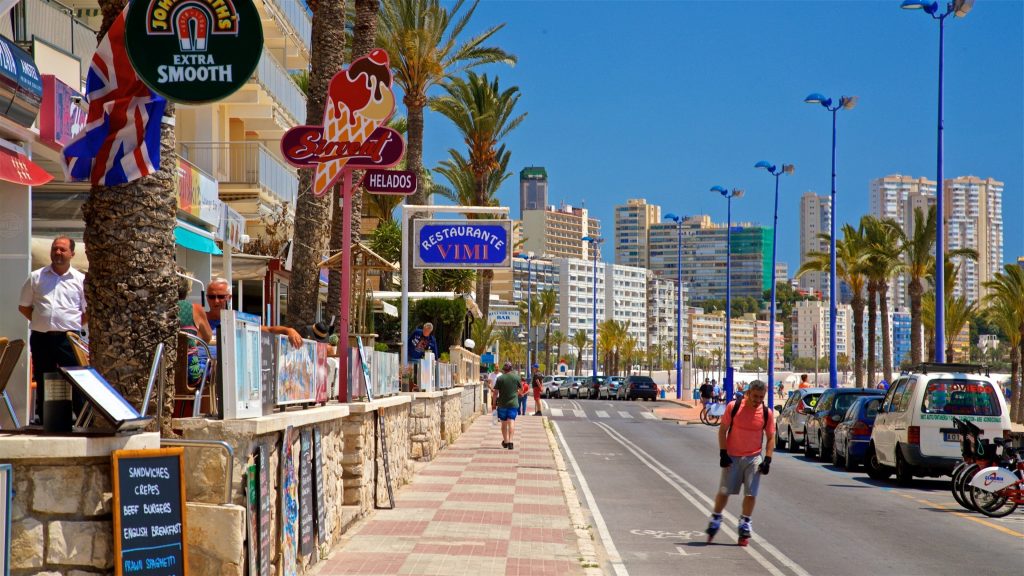
- Visual overload from signage, crowds, and traffic
It’s common to underestimate how stimulating the environment can be, especially if you arrive during high season. Don’t try to “figure everything out” immediately. Use the first days to locate essentials: supermarkets, pharmacies, cafés, and your nearest quiet streets.
Day 3–4: Practical Tasks Start to Matter
Once the novelty wears off, practical needs surface quickly.
This is usually when people:
- Realise their accommodation setup isn’t ideal for work
- Start testing Wi-Fi and mobile data reliability
- Notice noise patterns at different times of day
- Begin comparing prices and routines
Benidorm’s rhythm becomes clearer: mornings are calmer, afternoons steady, evenings louder in certain zones. If something feels off — especially noise or internet reliability — it’s better to acknowledge it early rather than assume you’ll “get used to it.”
Understanding Daily Life Timings
Spain’s daily schedule often surprises newcomers, even in a tourist-oriented city like Benidorm.
In your first week, you’ll notice:
- Lunch peaks later than expected
- Some services close mid-afternoon
- Dinner starts late
- Sundays feel different, even in busy areas
Benidorm softens these patterns compared to other cities, but they still exist. Adjusting your work schedule slightly — especially around meals and errands — makes daily life smoother.

Language Reality Check
English is widely spoken in Benidorm, but not universally.
During your first week:
- Hospitality staff often speak good English
- Supermarkets and pharmacies vary
- Administrative or medical situations may require basic Spanish
You don’t need fluent Spanish immediately, but relying entirely on English can limit your confidence. Learning a few functional phrases early reduces friction and makes interactions feel less transactional.
Accommodation Expectations vs Reality
Many people arrive on short-term bookings assuming they’ll “sort something better later.” That can work — but it can also backfire if expectations aren’t realistic.
In the first week, pay attention to:
- Noise levels at night and early morning
- Natural light and ventilation
- Workspace comfort
- Building insulation
Benidorm has many older buildings, and comfort varies more by street than by price. Your first week is the best time to reassess whether your base truly supports work and rest.

Healthcare, Safety, and Peace of Mind
One reassuring discovery for most newcomers is how safe and medically accessible Benidorm feels.
Early in your stay, it’s smart to:
- Locate the nearest pharmacy
- Know where the hospital or clinic is
- Save emergency numbers in your phone
You may never need them — but knowing they’re there reduces background anxiety, especially if you’re staying alone.
Social Reality: Easy to Meet People, Harder to Connect Deeply
Benidorm is social on the surface. In your first week, you’ll likely have casual conversations quickly — in cafés, gyms, or shared spaces.
What often surprises newcomers is that:
- Many people are transient
- Social interactions can stay superficial
- Long-term connections take intention
This isn’t a flaw — it’s just the nature of a destination city. Expect friendliness, not instant community.
The Emotional Dip (Yes, It’s Normal)
Around days 5–7, some people experience a subtle emotional shift:
- Excitement fades
- Small annoyances feel bigger
- Doubts appear (“Is this the right place?”)
This isn’t a sign you chose wrong. It’s a normal adjustment phase when stimulation drops and reality settles in. The key is not to make big decisions during this moment.

What Helps Most in the First Week
The people who adjust best tend to:
- Keep routines simple
- Walk the city at different times of day
- Delay major commitments
- Observe before judging
Benidorm rewards patience more than impulsiveness. Your first week in Benidorm is not about optimisation — it’s about orientation. The city is forgiving, functional, and relatively easy to live in, but it still requires adaptation like anywhere else.
If you give yourself time to observe rather than rush to conclusions, that first week becomes a foundation rather than a test. And once routines settle, Benidorm often feels far less chaotic — and far more liveable — than it first appears.