
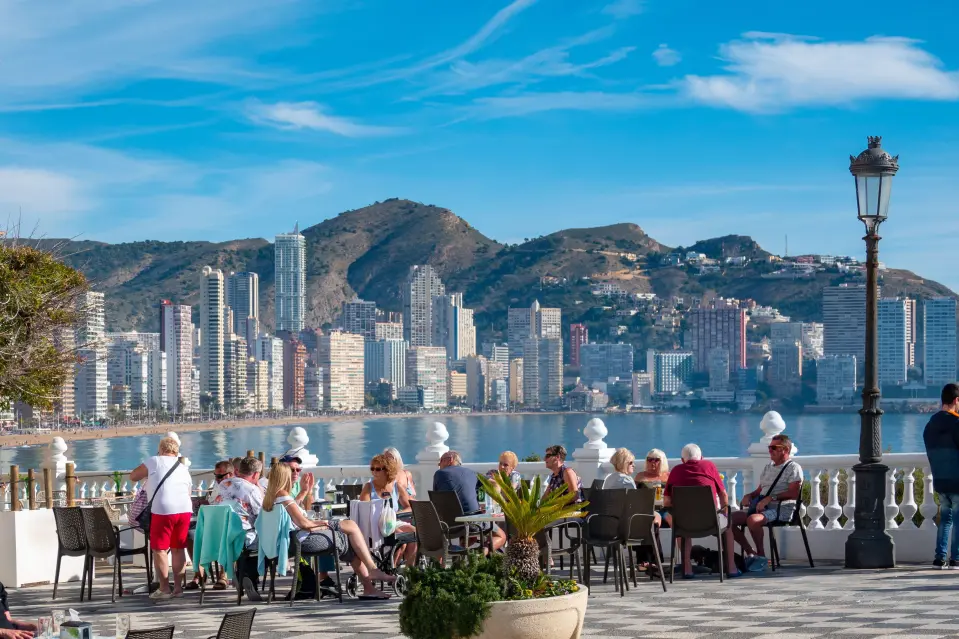
Benidorm’s economy, like many coastal Spanish cities, follows a strong seasonal rhythm. Tourism fuels demand for jobs, services, and casual work opportunities, especially in the warmer months.
For digital nomads and long-stay visitors considering local paid work or side gigs, understanding how the job landscape shifts between winter and summer is essential. The availability of work, language requirements, competition, and even the types of roles change dramatically depending on the season.
This article breaks down the differences between winter and summer work opportunities in Benidorm, helping remote workers make informed decisions about when to stay, when to look for opportunities, and how to align expectations with reality.
🟦 1. The Seasonal Economy: Summer vs Winter Demand
Benidorm’s economic activity is closely tied to tourism flows.
Summer (High Season: May–September)
- Peak tourism months
- Maximum demand for hospitality, tourism, and service jobs
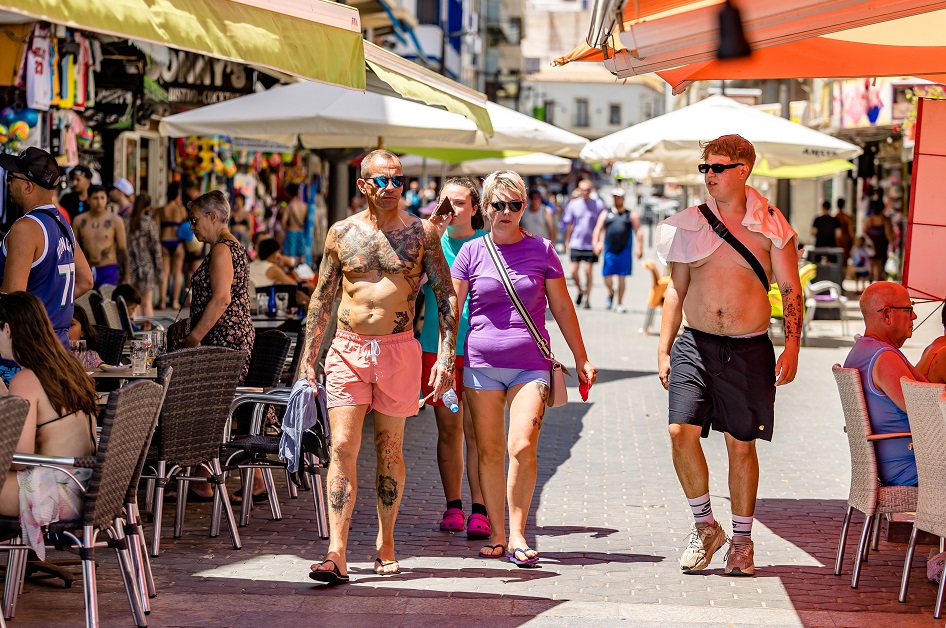
- Larger crowds and heavy foot traffic
- Extended opening hours for venues
Winter (Off-Peak: November–March)
- Lower tourist traffic
- A quieter, more local focus
- Shorter business hours in many venues
- Reduced seasonal hiring
For nomads seeking local work, this seasonal variation shapes almost every opportunity.

🟦 2. Common Summer Jobs in Benidorm (High Demand)
Summer is when most of the job openings actually happen.
Hospitality and Service
✔ Waitstaff, bar staff, host/hostess
✔ Kitchen assistants
✔ Pool attendants
✔ Bartenders
Why summer works: Massive influx of visitors makes these roles essential.
Tourism & Recreation
✔ Activity coordinators
✔ Beach sport instructors
✔ Boat tour staff
✔ Excursion guides
These roles often require strong English skills, sometimes paired with basic Spanish.
Retail and Entertainment
✔ Store assistants
✔ Promoters and brand ambassadors
✔ Event support staff
Here, flexibility and availability often matter more than experience.
🟦 3. Tactics for Finding Summer Work
Summer jobs are abundant—but getting them still requires strategy.
- Apply early: February–April is typically when venues seek staff
- Walk in with CVs: Many local businesses hire in person
- Highlight English skills: Handy in international tourism markets
- Smaller venues need help too: Don’t only target big hotels
Summer work is highly competitive yet plentiful—especially if you are flexible with hours, location, and language expectations.
🟦 4. Winter Work: Scarcer But Still Possible
Winter slows dramatically, but work doesn’t vanish completely.
Hotels and Long-Stay Tourism
✔ Reception and concierge
✔ Housekeeping on reduced schedules
✔ Facility support
Hotels catering to winter visitors remain open year-round.
Cafés, Bars & Local Services
✔ Café serving
✔ Coffee shop support roles
✔ Retail in shopping districts
These jobs tend to be fewer and part-time, and often require better Spanish.
Gig and Short-Term Work
✔ Babysitting / nannying
✔ Pet care
✔ Language tutoring
✔ Task-based gigs (deliveries, errands)
These opportunities are more informal and often word-of-mouth, not posted online.

🟦 5. Language and Competition Differences
Language proficiency remains a key factor year-round—but its importance shifts with the seasons.
Summer
- English is highly valuable
- Spanish is a bonus but sometimes less critical
- Other languages (French, German, Dutch) offer edges in tourism roles
Winter
- Spanish is often mandatory
- Local clientele and long-stay visitors shape the job market
- Competition tightens as job numbers fall
Nomads without Spanish tend to find summer roles easier than winter ones.
🟦 6. Legal and Practical Considerations (Season Matters)
Regardless of season, legal eligibility to work in Spain is the first consideration:
- EU citizens can work and register with fewer barriers
- Non-EU citizens must be careful with visas and work permission
- Tourist status doesn’t equate to work permission
Seasonality does not override legal requirements: even short summer work must adhere to Spanish employment law.

🟦 7. Making Seasonal Work Fit Your Nomad Lifestyle
Working locally in Benidorm isn’t only about income—it’s about practicality.
✔ If you want summer work:
- Arrive early spring
- Plan for physical, long hours
- Embrace roles that interact with visitors
✔ If you consider winter work:
- Focus on service sectors that cater to long-stay visitors
- Be prepared for reduced hours
- Use local language skills to increase opportunities
And in both seasons, don’t forget to align work with your remote work commitments—many nomads combine local part-time roles with remote income.
Benidorm’s work opportunities shift with the seasons. Summer offers volume and variety, especially in tourism and hospitality, while winter presents a quieter job landscape with deeper competition and higher language expectations.
For digital nomads, seasonal work can be a useful supplement—but it requires timing, flexibility, and realistic expectations about roles, income, and legal status.
Understanding the seasonal ebb and flow helps you decide when you might want to stay longer, when to apply, and which types of jobs truly make sense in each part of the year.