
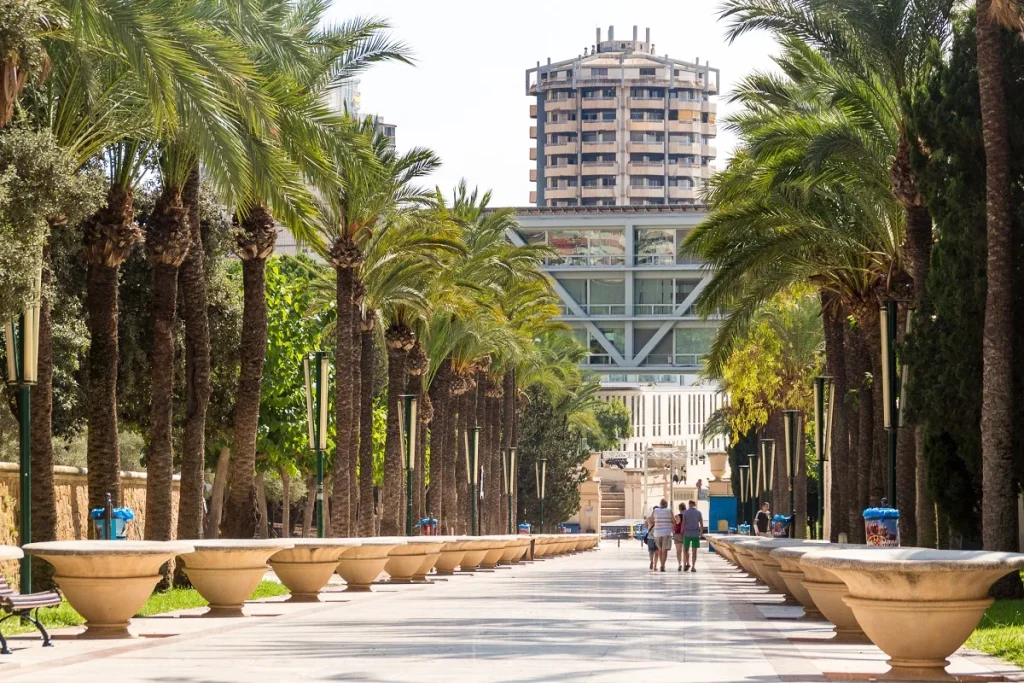
Many people arrive in Benidorm expecting a pleasant Mediterranean climate throughout the year. In many ways, that expectation is correct. The city enjoys mild winters, long sunny periods, and significantly more sunshine than much of Northern Europe.
However, when people start considering a long-term stay, renting an apartment, or even buying property, a different question often emerges:
Do you actually need air conditioning in Benidorm?
The answer is not as straightforward as many newcomers expect.
For a tourist spending a week by the beach, air conditioning may feel like a nice extra. For someone living in the city for several months and working remotely from home, it can have a much bigger impact on daily comfort, sleep quality, and productivity.
The reality is that Benidorm’s climate is only part of the equation. The apartment itself, the time of year, and your lifestyle often matter just as much as the temperature outside.
Understanding Benidorm’s Climate Throughout the Year
One reason Benidorm has become popular with retirees, expats, and digital nomads is its relatively mild climate compared to much of Europe.
Winter is generally comfortable. Daytime temperatures often allow people to sit outside, walk along the beach, or enjoy a coffee on a terrace without needing heavy winter clothing. Many visitors arriving from the UK, Germany, the Netherlands, or Scandinavia find Benidorm surprisingly pleasant during the colder months.
Spring is one of the most enjoyable periods of the year. Temperatures gradually rise, humidity remains manageable, and most apartments feel naturally comfortable without additional cooling.
Autumn often extends the summer feeling well into October and sometimes November. The sea remains relatively warm, outdoor life continues, and many residents consider this one of the best times to be in the city.
Summer is where things become more complicated.
From June through September, temperatures regularly climb into the high twenties and thirties. While this may sound appealing for a beach holiday, living and working through these conditions is a different experience altogether.
The important point is that outdoor temperatures do not always tell the full story. What matters for daily life is often the temperature inside your apartment.
Why Summer Feels Different When You Live Here
Tourists and residents often experience the same weather in completely different ways.
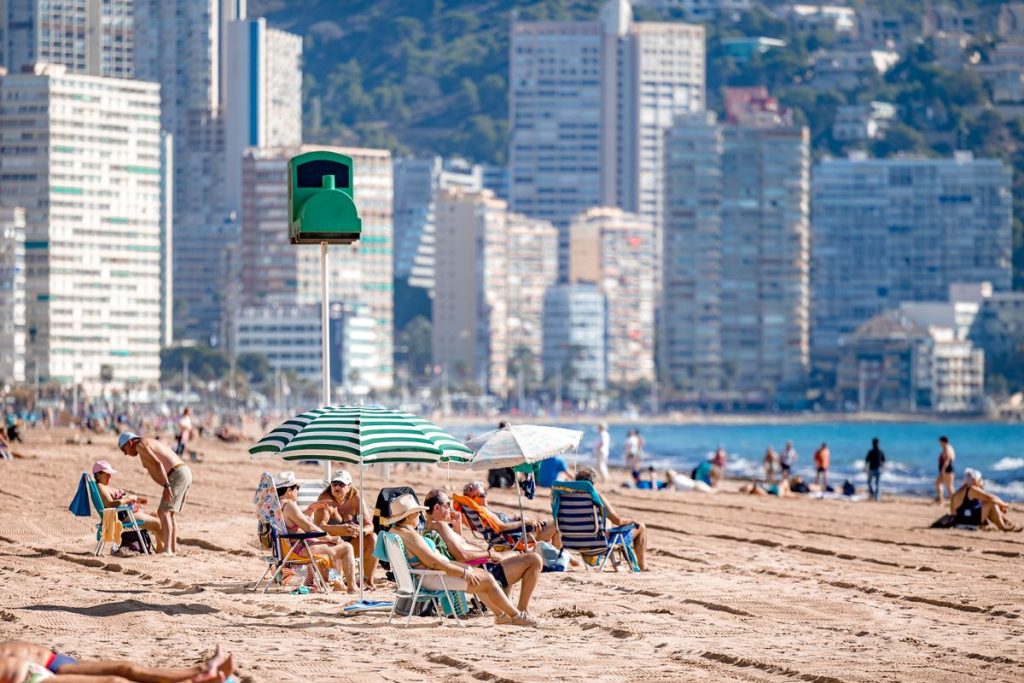
When people visit Benidorm for a week or two, much of their time is spent outdoors. They go to the beach, eat in restaurants, walk along the promenade, and return to their accommodation mainly to sleep.
Long-stay visitors often have a very different routine.
A remote worker might spend eight hours working from an apartment. Someone living in Benidorm year-round may spend afternoons at home, cooking, relaxing, or managing everyday responsibilities.
This is where summer begins to feel different.
One factor many newcomers underestimate is the phenomenon known as tropical nights. During the hottest periods of summer, nighttime temperatures can remain surprisingly high. Even when the sun has disappeared, apartments may retain heat accumulated throughout the day.
The result is that sleeping can become uncomfortable, particularly in properties that receive direct afternoon sunlight or have limited ventilation.
Many people discover that the biggest challenge is not the afternoon heat itself but getting a good night’s sleep afterwards.
For remote workers, poor sleep can quickly affect concentration, energy levels, and overall productivity.
How Apartment Type Affects Indoor Temperatures
A common mistake is assuming that every apartment in Benidorm experiences summer in the same way.
In reality, two apartments located on the same street can feel completely different.
Orientation plays a major role.
South-facing apartments receive substantial sunlight throughout the day. During winter this can be a major advantage because it helps keep the property warm and bright. During summer, however, the same apartment may absorb significant amounts of heat.
West-facing apartments can be particularly challenging because they receive strong afternoon and evening sun. This often means the property is still warm long after sunset.
Top-floor apartments frequently experience higher indoor temperatures because heat rises and the roof absorbs direct sunlight throughout the day.
Building age also matters.
Older buildings sometimes have poorer insulation, single-glazed windows, or design features that were not optimized for modern expectations of indoor comfort.
Newer developments often benefit from improved insulation, better glazing, and more energy-efficient construction standards.
Window size can make a surprisingly large difference as well. Large floor-to-ceiling windows may create beautiful sea views but can also dramatically increase solar heat gain if they face the wrong direction.
This is why looking at photos alone rarely tells the full story when choosing accommodation.
Do Digital Nomads Need Air Conditioning More Than Tourists?
In many cases, yes.
This is not because digital nomads are less tolerant of heat. It is because they typically spend far more time indoors.
A tourist may leave the apartment after breakfast and spend most of the day outside.
A remote worker might spend six to ten hours sitting at a desk.
When indoor temperatures rise, even small differences can become noticeable.
Working on a laptop in a warm apartment can reduce concentration and make tasks feel more tiring than they would in a cooler environment.
Video calls are another consideration. During the hottest weeks of summer, some remote workers find themselves closing windows to reduce noise while simultaneously trying to stay comfortable indoors.
None of this means that air conditioning is essential for every digital nomad.
Many people successfully work remotely in Benidorm without it.
However, the more time you spend inside your accommodation, the more important indoor temperature tends to become.
When Air Conditioning Is Probably Worth Having
There are certain situations where air conditioning often provides a significant improvement in quality of life.
If you plan to stay in Benidorm during July, August, or September, air conditioning becomes increasingly valuable.
The same applies if you work remotely from home every day.
A south-facing apartment with large windows may become noticeably warmer than a shaded apartment elsewhere in the city.
Top-floor properties can also benefit significantly from cooling during the hottest weeks.
Long-term renters often place more importance on air conditioning than short-term visitors because they experience the full seasonal cycle rather than just a brief holiday period.
In these situations, air conditioning is less about luxury and more about maintaining consistent comfort.

When You Can Comfortably Live Without It
At the same time, many people live perfectly comfortably in Benidorm without air conditioning.
Winter visitors rarely need it.
During much of spring and autumn, natural ventilation is often sufficient.
Apartments close to the sea frequently benefit from coastal breezes that help moderate indoor temperatures.
Properties with good cross-ventilation can remain surprisingly comfortable even during warmer periods.
Lifestyle matters as well.
Someone who spends most of the day outdoors, works from cafés, coworking spaces, or shared offices, and returns home mainly in the evening may place much less value on air conditioning than someone working exclusively from their apartment.
This is why there is no universal answer.
The right choice depends on how you actually live.
Alternatives to Air Conditioning
Even for people who do not have air conditioning, there are several practical ways to improve comfort during summer.
Ceiling fans are common and can make a noticeable difference.
Portable fans are inexpensive and often sufficient for many people outside the hottest periods.
External shutters and blinds can dramatically reduce heat entering an apartment during the day. Many experienced residents close shutters during the hottest hours and open them again in the evening.
Cross ventilation is another effective strategy. Opening windows on opposite sides of a property can create airflow that helps remove accumulated heat.
Some remote workers also adjust their schedules.
Starting work earlier in the morning and taking a longer break during the hottest part of the afternoon is a common approach in Mediterranean climates.
Others spend part of the day working from cafés, coworking spaces, libraries, or other air-conditioned public environments.

What to Check Before Renting an Apartment in Benidorm
If you’re looking for a long-term rental, air conditioning should be part of a broader evaluation rather than a simple yes-or-no requirement.
Some useful questions include:
- Is air conditioning installed?
- Which rooms have it?
- Is it available in the bedroom as well as the living room?
- Which direction does the apartment face?
- Is it located on the top floor?
- Does it receive direct afternoon sunlight?
- Are external shutters installed?
- Is there good natural ventilation?
- Are the windows modern and well insulated?
- Has the property been renovated recently?
Many renters focus on photos, location, and price while overlooking these practical details.
Yet they often have a larger impact on day-to-day comfort than cosmetic features.
This is particularly important if you’re considering a long-term rental, evaluating what makes an apartment remote-work friendly in Benidorm, or planning to live in the city year-round.
So, do you really need air conditioning in Benidorm?
For many people, the answer is no.
For others, especially those staying during the hottest months and working remotely from home, the answer may be yes.
The key point is that air conditioning is not simply a question of outdoor temperatures.
It is influenced by the apartment itself, the building’s design, your daily routine, and the amount of time you spend indoors.
A well-ventilated apartment near the sea may remain comfortable for much of the year without mechanical cooling. A top-floor apartment exposed to direct summer sun may feel very different.
Rather than treating air conditioning as a luxury or a necessity, it is better to view it as one factor among many when evaluating accommodation in Benidorm.
For remote workers, long-stay visitors, and anyone planning to live in the city for several months, understanding that distinction can make it much easier to choose the right property—and enjoy a more comfortable experience once you arrive.