

Most digital nomads arrive in Benidorm with a simple plan: book an apartment for a few weeks or months and settle in. What often happens instead is a gradual realization that the first area you chose may not match how you actually live and work.
Benidorm is compact, but the difference between Levante, Poniente, the Old Town, and residential zones near Foietes or Rincón de Loix can feel significant in daily life. Noise levels, rental prices, community atmosphere, and even sleep quality can vary from street to street.
Relocating mid-stay isn’t a failure. Sometimes it’s the smartest decision you can make to protect productivity, mental clarity, and budget.
Why People Consider Moving After Arriving
The first accommodation choice is usually made online. Photos look good. The price seems fair. The map shows “close to the beach.”
What photos rarely show:
- Nighttime noise.
- Bar traffic under your balcony.
- Thin walls.
- Seasonal construction work.
- Parking difficulty.
- Tourist density.
After two or three weeks, some nomads realize they’re living in a holiday zone while trying to maintain a professional routine.
Relocation becomes less about preference and more about sustainability.
When Levante Stops Working
Levante is popular for first-time arrivals. It’s central, energetic, and close to coworking spaces and nightlife. But it’s also the busiest area in peak season.
You may want to relocate from Levante if:
- Your sleep is regularly interrupted.
- You work across time zones and need early mornings.
- You’re paying summer-level rent but staying long-term.
- You find yourself avoiding your apartment during peak hours.
Moving slightly inland or toward Poniente often reduces noise without sacrificing convenience.

When Poniente Feels Too Quiet
On the other side, Poniente is calmer and more residential. Many long-stay nomads love it.
However, some relocate from Poniente because:
- It feels socially slower.
- Most international nightlife and coworking are further away.
- They miss the central buzz.
If you’re highly social or networking frequently, being closer to central Levante or the Old Town may make more sense.
Budget Adjustments Mid-Stay
Financial reality often triggers relocation.
Common scenarios:
- You booked a short-term Airbnb at a high nightly rate.
- You realize monthly rentals are cheaper in quieter neighborhoods.
- You want to reduce food costs by living closer to supermarkets rather than tourist strips.
Moving from beachfront apartments to slightly inland residential blocks can significantly reduce monthly expenses, especially outside peak season.

Productivity and Routine Shifts
Your first month in Benidorm might feel like a working holiday. After that, real life starts.
If you notice:
- You work less than planned.
- You’re distracted by constant activity.
- Your workspace at home isn’t functional.
- Internet reliability is inconsistent.
It may be time to move.
Relocating to an apartment with better light, desk space, or stronger fiber internet can improve work quality more than any productivity app.
Seasonal Changes That Justify Moving
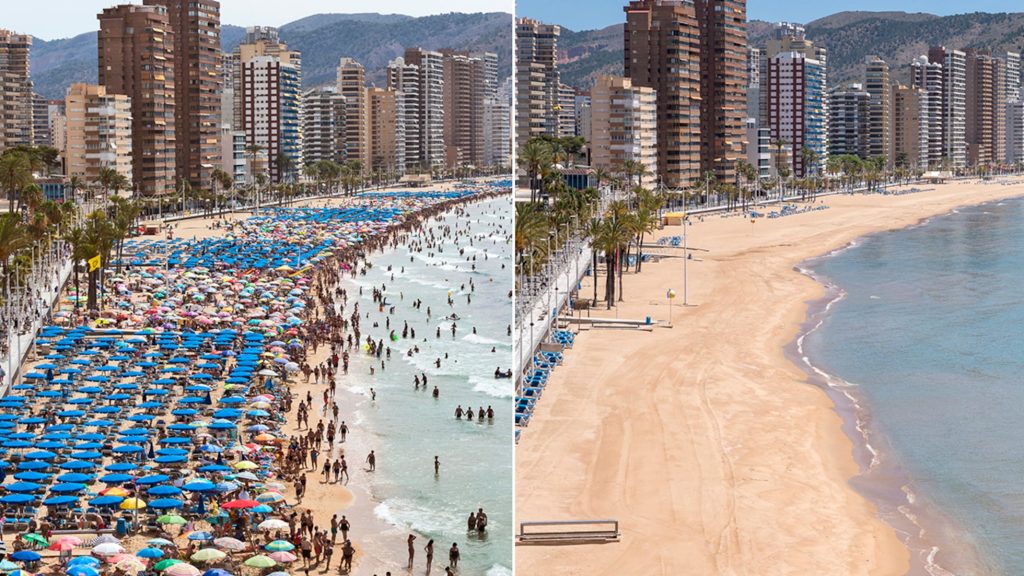
Benidorm changes throughout the year.
- Summer brings density, higher prices, and more nightlife.
- Winter is quieter, cheaper, and more residential.
- Shoulder seasons can feel transitional.
Some nomads deliberately switch areas seasonally:
- Central in winter for social life.
- Quieter zones in summer to escape peak crowds.
- Slightly outside Benidorm (La Cala de Finestrat or nearby towns) during high season.
Strategic relocation can align your living space with seasonal reality.
Social Factors: Community vs Isolation
Community access matters more over time.
If you:
- Struggle to meet people.
- Feel disconnected.
- Rarely leave your immediate area.
Moving closer to coworking hubs, cafés, or gym clusters can change your experience dramatically.
Conversely, if social overstimulation is affecting focus, a residential zone may restore balance.

When It’s Not Worth Moving
Relocating always involves friction:
- Moving logistics.
- Deposit negotiations.
- Cleaning.
- Utility transfers.
- Temporary disruption.
It may not be worth it if:
- Your current lease is short anyway.
- Issues are minor inconveniences.
- The stress of moving outweighs benefits.
- You haven’t tested alternative routines yet (e.g., coworking instead of working from home).
Sometimes improving your daily structure is easier than changing address.
Practical Tips Before Relocating
If you’re considering moving mid-stay:
- Walk through the target area at night before committing.
- Check internet availability in advance.
- Ask about noise insulation.
- Clarify contract flexibility.
- Negotiate monthly rates if staying more than 4 weeks.
- Compare total cost — not just rent (utilities, distance, transport).
Relocation should be strategic, not emotional.

A Flexible Approach Works Best
Benidorm’s size makes moving between areas manageable. You’re rarely more than 10–15 minutes away from where you started.
Relocating mid-stay often reflects growth: you understand your needs better now than when you arrived.
The key question isn’t “Did I choose the wrong area?”
It’s “Does my current location support the life and work structure I want?”
If the answer is no — and you plan to stay longer — a move can be an upgrade, not a setback.
Benidorm allows flexibility. The people who benefit most are the ones willing to adjust as their routine evolves.