
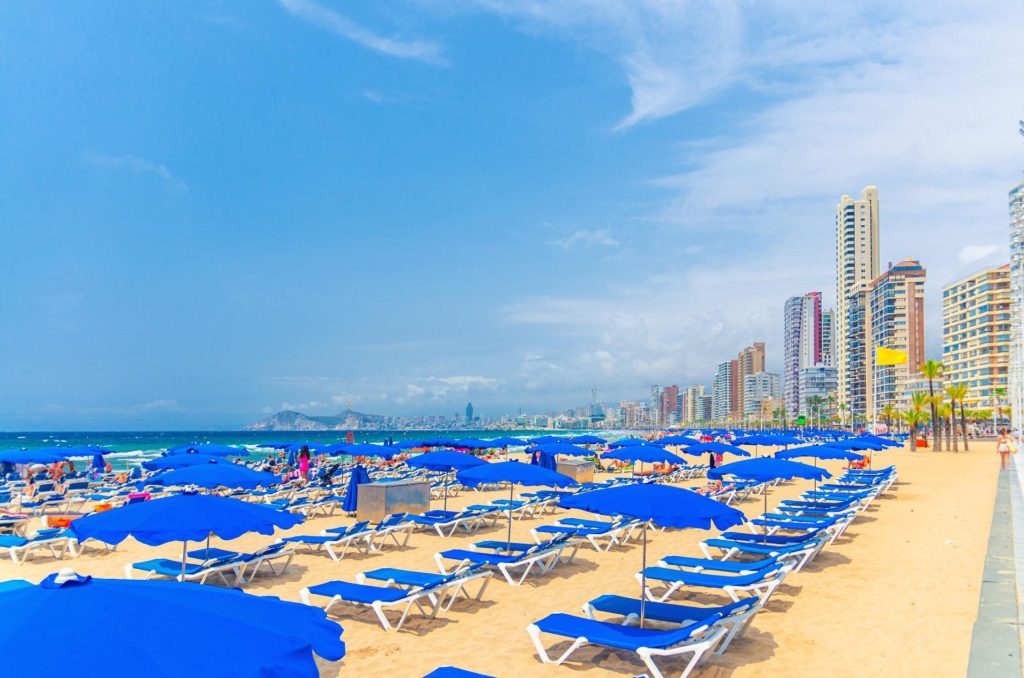
Benidorm is one of those places that feels effortless from the moment you arrive. The weather is almost always good, the city is easy to navigate, and everything you need—cafés, supermarkets, beaches, restaurants—is within walking distance. For digital nomads, that combination looks ideal on paper.
And initially, it is.
The first days (sometimes weeks) often feel incredibly productive. New environment, new energy, fewer distractions from your “old life.” You wake up motivated, open your laptop, and feel like you’ve finally found a place where work and lifestyle can coexist perfectly.
But then something shifts—and it’s subtle enough that many people don’t notice it happening.
🌴 When Everyday Life Starts Feeling Like a Vacation
The problem with Benidorm isn’t that it’s distracting in an obvious way. It’s not chaotic or overwhelming like a big city. In fact, it’s the opposite: it’s too comfortable.
You can finish a task and be at the beach in five minutes. You can take a break and end up on a sunny terrace with a coffee or a drink. You can “step out for a walk” and turn it into a full afternoon outside without really planning to.
This constant proximity to leisure changes how your brain categorizes the day. Instead of having a clear boundary between work time and free time, everything blends together into a kind of extended, low-pressure experience.
And that’s where the trap begins.
Because when your environment feels like a permanent holiday, your work starts to feel optional—even if it isn’t.
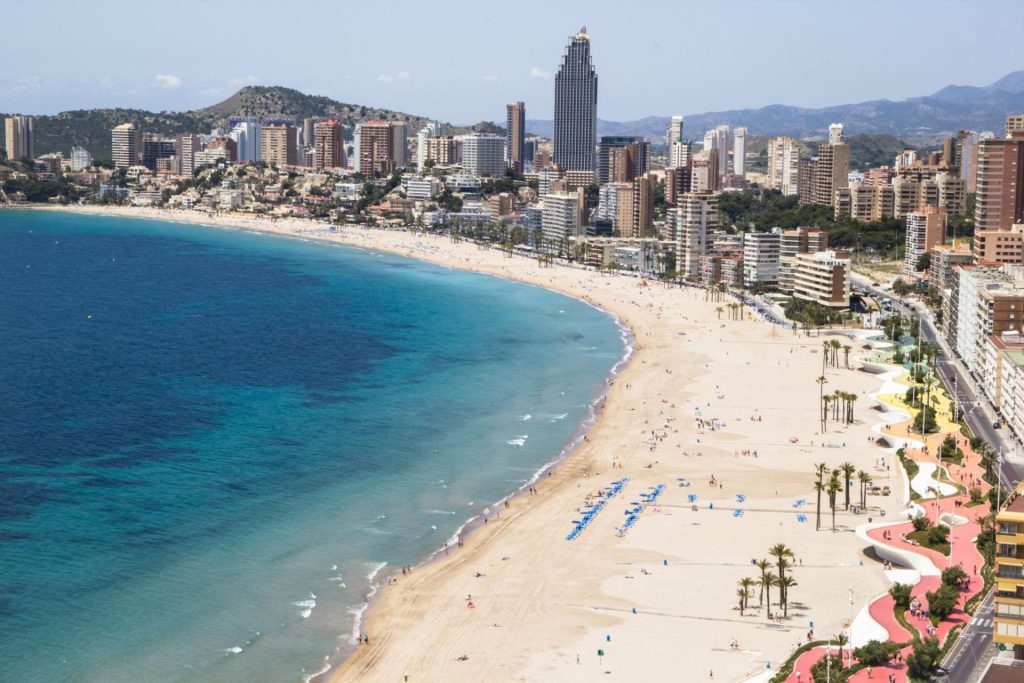
🧠 The Slow Erosion of Structure
Productivity in Benidorm doesn’t usually collapse all at once. It fades.
At first, you might just delay your start time slightly. Instead of beginning work at 9:00, it becomes 10:00. Then maybe 11:00. You tell yourself you’ll make up for it later, and sometimes you do—but often you don’t.
Work sessions become shorter and more fragmented. You check your phone more often. You take more breaks. You convince yourself that you’re still “working,” even though your output doesn’t reflect the time you’re spending.
What makes this particularly tricky is that nothing feels wrong in the moment. You’re still opening your laptop. You’re still answering emails. You’re still doing something.
But over the course of a week, the difference becomes clear:
you’ve been busy—but not productive.

☕ The Illusion of Productivity in Café Culture
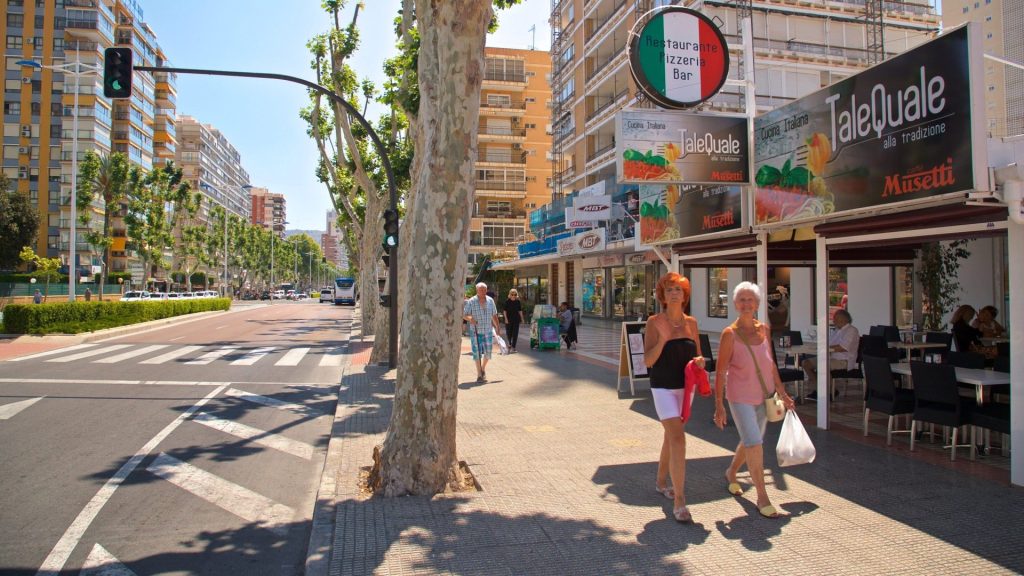
One of the most common patterns in Benidorm is the “productive café session.” It sounds good, and it looks good: laptop open, coffee on the table, sea nearby, a relaxed but focused atmosphere.
But in practice, these sessions often drift.
There’s background noise, people passing by, small interruptions, and the constant temptation to check your phone or simply look around. You might spend three hours sitting there, but only one of those hours is truly focused work.
The rest is a mix of light tasks, distractions, and half-attention.
This creates a dangerous illusion. At the end of the day, you feel like you’ve worked—because you’ve been “in work mode” for hours. But when you look at actual output, it doesn’t match the time invested.
Multiply that over several days, and the gap becomes significant.

🍻 The Social Pull You Didn’t Plan For
Benidorm has a natural social rhythm, even if you’re not actively looking for it. It’s easy to start recognizing faces, returning to the same spots, having small conversations that turn into longer ones.
Plans in this environment are rarely rigid. They happen spontaneously:
a quick drink, a short break, a casual meetup.
The problem is not any single interruption—it’s the accumulation.
One short distraction rarely matters. But when your day is built around flexible decisions instead of clear priorities, your schedule becomes reactive. You’re no longer deciding what your day looks like. The environment is.
And in a place like Benidorm, that environment almost always leans toward comfort and social interaction rather than focused work.
⏳ Why Time Feels Different Here
Another factor that catches many nomads off guard is how time feels in Benidorm. The combination of good weather, outdoor living, and lack of urgency creates a sense that there’s always more time available.
You might think:
“I’ll start working later.”
“I’ll finish this tonight.”
“I have the whole afternoon.”
But without clear structure, those assumptions don’t hold. The day moves faster than expected, especially when it’s broken into small, unplanned segments.
By the time evening arrives, you often realize that the time you thought you had has already been spent—just not on the things that mattered most.
⚖️ Freedom Without Structure Is the Real Risk
Benidorm gives you something many people are actively searching for: freedom.
No rigid schedules, no commuting, no pressure to follow a strict routine. You can design your day however you want.
But that freedom comes with a cost.
Without structure, flexibility turns into inconsistency. Without boundaries, priorities become blurred. And without intentional planning, productivity becomes something you hope for instead of something you control.
This is why the same environment can produce completely different results depending on the person. Some thrive. Others drift.
🧍♂️ Who Is Most Likely to Fall Into This Trap
Not everyone struggles with productivity in Benidorm. But certain profiles are more exposed to it.
Freelancers without fixed deadlines, remote workers with flexible schedules, and first-time digital nomads often find it harder to maintain consistency. When your work depends entirely on self-discipline, environments like this tend to amplify any existing weaknesses in your routine.
If you rely on external pressure to stay productive, Benidorm removes that pressure almost completely.
And that can be either liberating—or destabilizing.
🛠️ How to Stay Productive Without Fighting the City
The solution is not to turn Benidorm into a strict, work-focused environment. That would defeat the purpose of being here.
Instead, the key is to introduce just enough structure to balance the lifestyle.
That usually means defining clear working hours—even if they’re shorter than in a traditional setting—and treating them as non-negotiable. It also helps to separate spaces: one for focused work, another for social time. This physical distinction creates a mental boundary that the environment itself doesn’t provide.
Most importantly, productivity here works best when it’s outcome-based rather than time-based. If you complete your key tasks early in the day, you can fully enjoy everything else without guilt.
And that changes the dynamic completely.

🧭 The Real Opportunity Behind the “Trap”
The “permanent holiday” effect is often seen as a problem—but it can also be a test.
Benidorm doesn’t force you to be productive. It doesn’t create pressure or structure for you. It simply gives you the space to choose how you use your time.
And that’s where its real value lies.
If you can build consistency here—if you can maintain focus in an environment designed for comfort—you’re not just being productive. You’re developing a level of discipline that will work anywhere.
Benidorm doesn’t make you less productive.
It simply removes the systems that usually keep you productive.
What remains is your own structure, your own discipline, and your ability to manage freedom.
For some, that leads to distraction and inconsistency.
For others, it becomes an opportunity to build a more balanced way of working—one where productivity and lifestyle don’t compete, but reinforce each other.
The difference is not the city.
👉 It’s how you adapt to it.