

At first glance, Benidorm feels simple. Beaches, sunshine, walkable streets, affordable winter rents, strong expat presence — it looks like an easy decision for a long-term stay. And in many ways, it is.
But what you see in the first two weeks is not what you experience after six months.
Living in Benidorm long-term is not the same as visiting it. The rhythms shift, the advantages change, and certain realities only become clear once you’ve moved beyond the “arrival phase.” This article isn’t about the obvious pros and cons. It’s about the details that tend to surprise people once they settle in.
The City Has Two Personalities (And You’ll Live Through Both)
One of the biggest adjustments is understanding that Benidorm is not a stable environment year-round.
Summer is intense:
- Full terraces
- Packed beaches
- Noise until late
- Heavy traffic
- Higher prices
Winter feels like a different city:
- Calmer streets
- More local atmosphere
- Easier parking
- Lower accommodation pressure
If you arrive in winter and sign a long-term rental, you may be shocked by the summer shift. If you arrive in summer and feel overwhelmed, you may be surprised by how peaceful it becomes later.
Long-term living here means adapting to seasonal extremes — not choosing one version.
Noise Becomes a Real Factor
Short stays hide this. Long stays expose it.
Certain areas — especially near Levante, parts of Old Town, and nightlife zones — can be loud at night, particularly during high season. And the noise isn’t just music. It’s:
- Street activity
- Cleaning trucks
- Delivery vehicles
- Tour groups
- Construction
Even if you consider yourself tolerant, months of irregular sleep can affect productivity and mood.
Many long-term residents quietly relocate after their first contract ends — not because they dislike the city, but because they chose the wrong micro-location.
The Social Scene Is Fluid
Benidorm has a large expat and seasonal worker community. That’s a positive — but it also means social circles are constantly changing.
You may:
- Make friends who leave after three months
- See people move on with the seasons
- Experience social resets more often than expected
This can be energizing, but it can also feel unstable if you’re looking for deep, long-term community.
Long-term residents usually build a smaller, more consistent circle over time — often mixing locals, expats, and professionals rather than staying only in the “nomad bubble.”
It’s Very Walkable — Until It Isn’t
Benidorm is compact. You can walk most places easily. But what nobody mentions is how much small gradients, summer heat, and distance from supermarkets matter once daily life sets in.
For example:
- Living uphill may feel fine at first, but carrying groceries weekly changes your perception.
- Living near nightlife may feel convenient, until sleep becomes inconsistent.
- Living near the beach sounds ideal, but inland apartments can be quieter and more affordable.
Small geographic decisions have long-term impact.
The Cost of Living Is Seasonal, Too
Winter can feel surprisingly affordable compared to other Spanish coastal cities.
But in summer:
- Short-term rental demand increases
- Utility bills may rise due to air conditioning
- Social spending increases (more dining out, more events)
Living long-term requires budgeting across the full year, not just your arrival season.
Some residents even plan heavier savings during summer to compensate for quieter winter work months (especially in tourism-related roles).
Integration Requires Effort
It’s easy to live in Benidorm without learning Spanish or integrating locally. Many businesses operate comfortably in English.
But long-term satisfaction tends to increase when you:
- Learn basic Spanish
- Use local markets
- Understand local administrative processes
- Build local contacts
Otherwise, you can end up in a comfortable but slightly disconnected bubble.
Benidorm allows both lifestyles — integrated or insulated. But over time, deeper engagement makes daily life smoother.

Bureaucracy Still Exists
Even in a tourist-heavy city, Spanish administrative systems are still Spanish.
Long-term residents will eventually deal with:
- NIE processes
- Healthcare registration
- Tax declarations
- Rental contracts
- Utility setups
These processes can feel slow or confusing if you’re not prepared. Living long-term means learning patience and documentation habits.
Short stays don’t reveal this layer.
You’ll Redefine What “Quality of Life” Means
At first, quality of life might mean:
- Beach access
- Cheap coffee
- Warm weather
After months, it becomes:
- Sleep quality
- Stable income
- Quiet workspace
- Reliable services
- Predictable routine
The shift is subtle but important. Long-term life is built on stability, not novelty.
Benidorm can offer that stability — but it requires thoughtful choices about housing, work structure, and social balance.
It Can Be Surprisingly Practical
Despite its reputation as a party destination, Benidorm is structurally efficient:
- Public transport is simple
- Supermarkets are abundant
- Medical services are accessible
- Walkability reduces car dependency
Many long-term residents stay not because it’s glamorous, but because it’s functional.
The city may not feel “trendy,” but it often feels manageable.
The City Becomes Ordinary — And That’s Not a Bad Thing
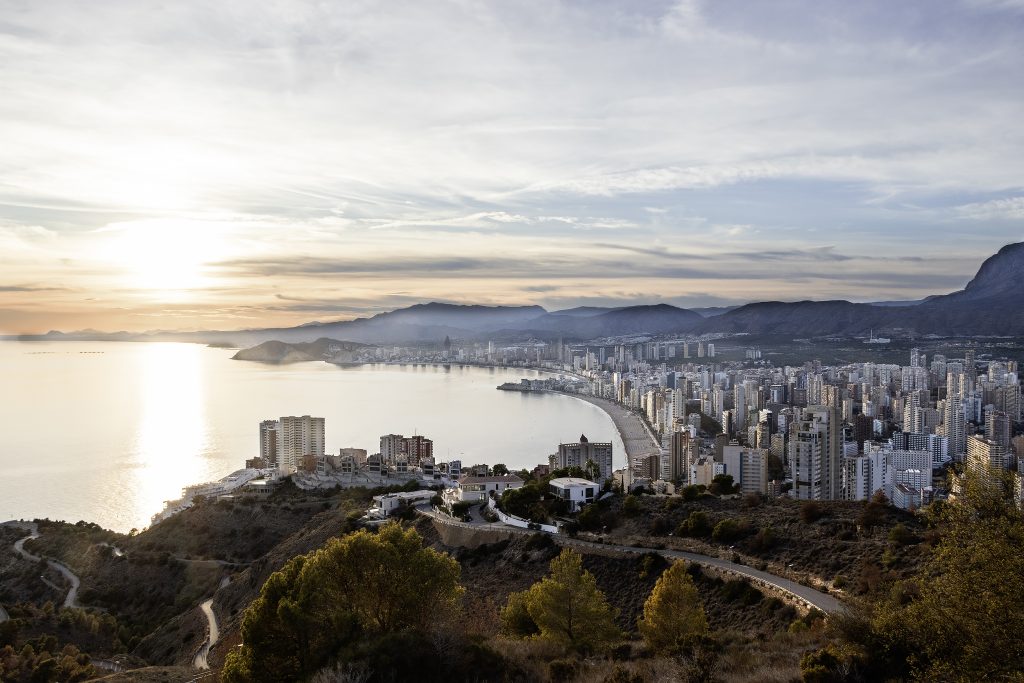
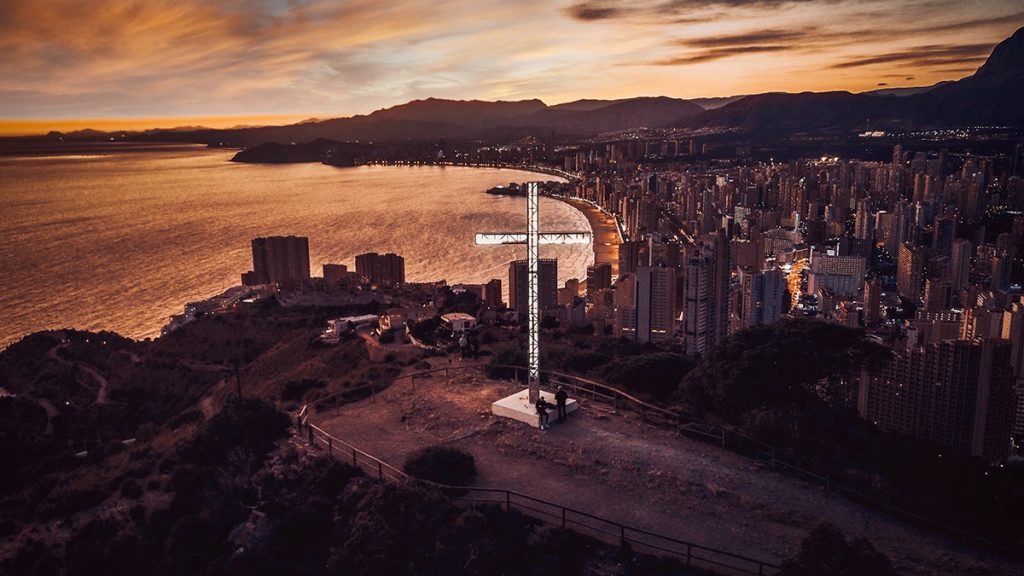
Eventually, the skyline, the beaches, and the sunset views stop feeling extraordinary. They become background.
This isn’t disappointment. It’s normalization.
When a place becomes ordinary, that’s when you know you’re actually living there — not just visiting.
And if that ordinary life feels sustainable, practical, and emotionally balanced, then Benidorm may be working for you long-term.
If it feels overstimulating, unstable, or socially shallow, it may be time to adjust area, routine, or expectations.
Long-term living here isn’t about chasing permanent holiday energy. It’s about building something steady inside a city that constantly moves.