

When people first start researching the Costa Blanca, they often focus on the biggest names.
Alicante, Benidorm and, slightly farther north, Valencia usually dominate the conversation. They have international airports nearby, large expat communities, coworking spaces and plenty of accommodation options.
But something interesting happens after many remote workers spend a few months in the region.
Instead of moving towards larger cities, many begin looking in the opposite direction.
Places like Altea, Villajoyosa, Guardamar del Segura, La Nucía, Moraira, Jávea, Dénia or even smaller inland villages start appearing on their shortlist. They may have fewer restaurants, fewer nightlife options and fewer coworking spaces, yet they often provide something that some digital nomads value even more: a calmer, more sustainable everyday lifestyle.
This doesn’t mean smaller towns are automatically better.
It simply means that, depending on your priorities, they may offer advantages that become increasingly important once the excitement of moving abroad begins to settle into normal daily life.
The Difference Between Visiting and Living Somewhere
A weekend break and a six-month stay are completely different experiences.
When you’re travelling for a few days, you’re usually looking for excitement. You want restaurants, nightlife, attractions, shopping and plenty to do from morning until late at night.
Long-term living changes the equation.
Suddenly your routine includes grocery shopping, laundry, gym sessions, video calls, medical appointments, finding a quiet café, dealing with deliveries and maintaining a healthy work schedule.
The places that feel exciting during a holiday don’t always feel comfortable once they become your everyday environment.
This is one of the main reasons some remote workers gradually move towards smaller towns after initially choosing a larger city.
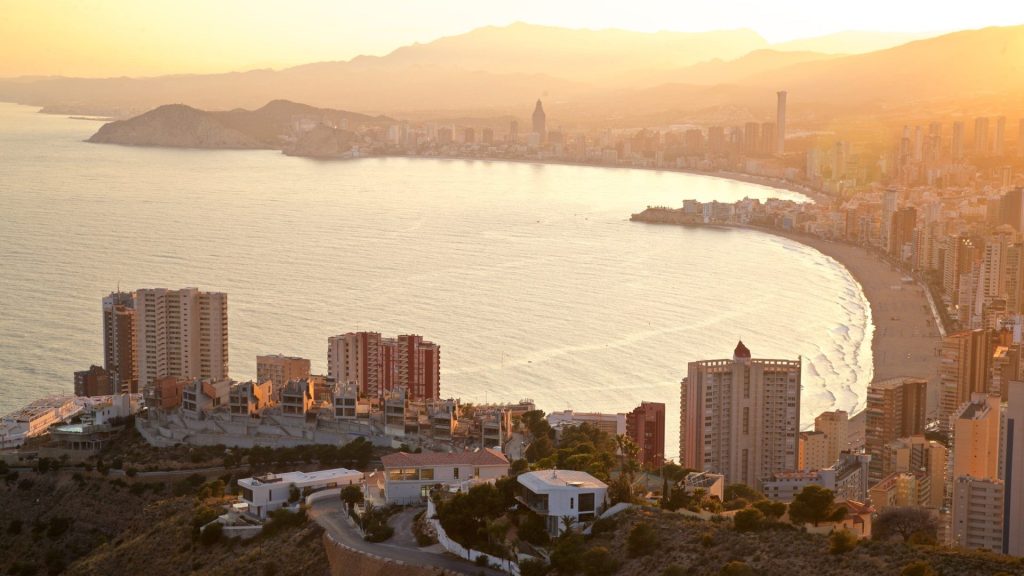
A Slower Pace of Life
Perhaps the biggest attraction of smaller Costa Blanca towns is their pace.
Life generally feels less rushed.
The streets are quieter outside the busiest tourist periods, queues tend to be shorter and many daily tasks simply involve less stress.
That slower rhythm doesn’t mean nothing happens.
Instead, daily life often feels more predictable. You may start recognising people in your local bakery, café or supermarket after only a few weeks. The same waiter remembers your coffee order. Shop owners begin greeting you by name.
For many remote workers, these small interactions create a stronger feeling of belonging than constantly being surrounded by thousands of new visitors.
Less Noise, Better Concentration
Remote work depends heavily on your environment.
If your apartment overlooks a busy nightlife district, sleeping well and concentrating during the day can become surprisingly difficult.
Smaller towns often provide a quieter background for both work and relaxation.
Traffic is usually lighter.
There are fewer late-night venues.
Residential neighbourhoods dominate larger parts of the town.
That doesn’t guarantee silence—summer festivals and local celebrations can still be lively—but the overall atmosphere is generally calmer than in major tourist centres.
For people spending eight hours a day working from home, this difference can have a significant impact on productivity.
Walking Becomes More Enjoyable
Many Costa Blanca towns are compact enough that most daily errands can be completed on foot.
Rather than navigating busy city traffic, your daily walk may involve quiet residential streets, small plazas, a seafront promenade or traditional town squares.
This encourages a lifestyle where walking becomes part of the day rather than another task to complete.
For remote workers, who often spend long hours sitting, that extra daily movement is an underestimated benefit.
Beaches Without the Same Crowds
The Costa Blanca is famous for its beaches, but not every beach offers the same experience.
Large cities naturally attract more visitors.
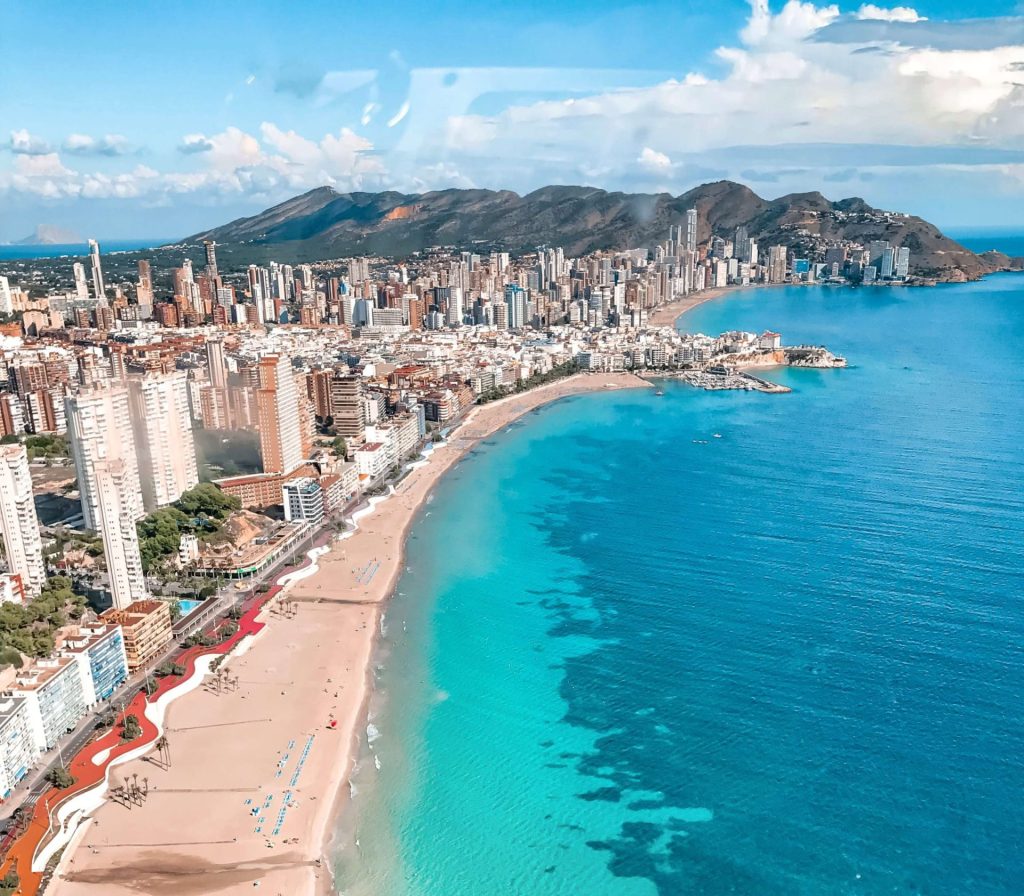
Smaller coastal towns often have beaches that remain considerably more relaxed outside peak holiday periods.
Even during summer, it can sometimes be easier to find quieter stretches by walking a little farther from the main access points.
Outside July and August, many towns offer the kind of peaceful beachfront lifestyle that people originally imagined when they decided to work remotely from the Mediterranean.
A Stronger Sense of Community
One aspect that surprises many newcomers is how quickly smaller towns begin to feel familiar.
Because populations are smaller, you tend to visit the same cafés, supermarkets, gyms and restaurants regularly.
This naturally creates repeated interactions with local residents and other long-term visitors.
You don’t necessarily become close friends with everyone, but your environment starts feeling less anonymous.
That sense of community can make a significant difference, particularly for solo remote workers who plan to stay for several months.
Lower Stress Doesn’t Always Mean Lower Costs
People sometimes assume that moving to a smaller town automatically means saving money.
The reality is more nuanced.
Some Costa Blanca towns are indeed more affordable than larger cities.
Others—particularly prestigious coastal locations such as Moraira or parts of Jávea—can actually be more expensive than many people expect.
Housing prices depend on factors including demand, proximity to the beach, property quality and seasonality rather than simply population size.
The real financial advantage often comes from lifestyle rather than rent alone.
When entertainment revolves around beaches, walking, cafés and outdoor living instead of expensive nightlife, many people naturally spend less.
The Trade-Off: Fewer Services
Of course, smaller towns are not perfect.
Living somewhere quieter usually means accepting fewer choices.
There may be only one or two supermarkets.
Public transport may be less frequent.
Healthcare facilities can be more limited, requiring occasional trips to larger cities for specialist appointments.
Coworking spaces are also less common, although improved home internet has made this less important for many remote workers.
Anyone considering a move should think carefully about which services they genuinely use every week rather than assuming they need everything a large city offers.
Public Transport May Require More Planning
Another important consideration is transport.
Some Costa Blanca towns are exceptionally well connected.
Others depend heavily on regional buses or require a car for maximum flexibility.
If you plan to live car-free, this should be one of the first things you research before choosing a destination.
Fortunately, several towns along the Alicante TRAM network—including Benidorm, Villajoyosa, Altea and Dénia—benefit from relatively good rail connections compared with many other coastal regions in Spain.
Even so, daily convenience varies significantly from one location to another.
Remote Workers Don’t All Want the Same Lifestyle
It’s easy to imagine that every digital nomad wants coworking spaces, networking events and a busy international community.
Many certainly do.
Others want almost the opposite.
Some remote workers intentionally leave large cities because they have already spent years living in them.
After working in London, Berlin, Amsterdam or Madrid, the attraction of a quieter Mediterranean town becomes obvious.
Their social life revolves around friends, hobbies, the beach, hiking or cycling rather than frequent networking events.
Neither approach is right or wrong.
They simply suit different personalities.
Benidorm: An Interesting Middle Ground
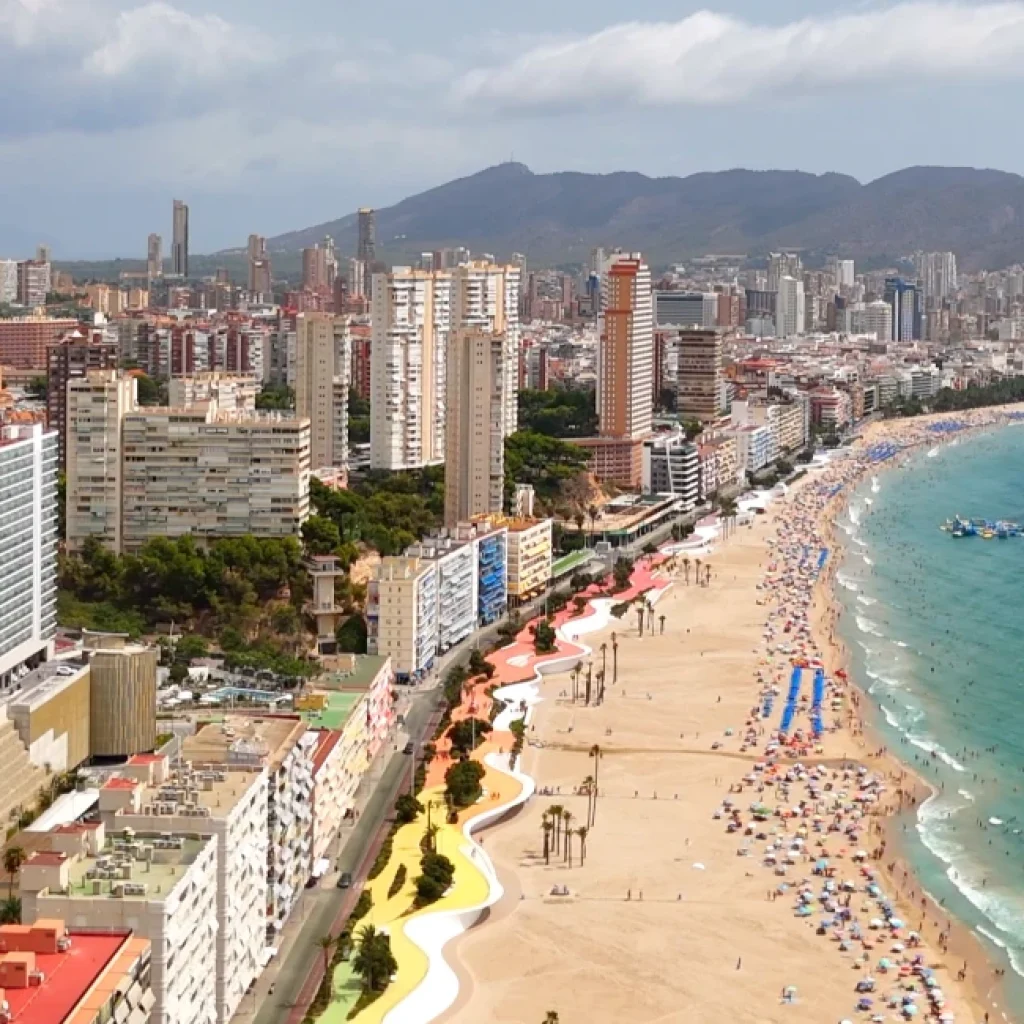
Benidorm deserves a special mention because it sits somewhere between a large city and a small coastal town.
Although internationally famous, its permanent population is relatively modest compared with major Spanish cities.
At the same time, it offers an extraordinary concentration of supermarkets, restaurants, healthcare, gyms and everyday services.
This combination means you can enjoy many of the practical advantages of urban living while still reaching the beach on foot within minutes.
For some nomads, Benidorm becomes the perfect compromise.
For others, even Benidorm feels busier than they would like, encouraging them to explore nearby places such as Villajoyosa, Altea or La Cala.
So, Should You Choose a Smaller Town?
The answer depends less on the town itself than on your lifestyle.
A smaller Costa Blanca destination may suit you if:
- your work is fully remote;
- you value peace and quiet more than nightlife;
- you enjoy walking and spending time outdoors;
- you don’t need dozens of restaurants every week;
- you prefer familiar surroundings over constant activity;
- you’re looking for a place to live rather than somewhere to be entertained every day.
On the other hand, a larger city may still be the better option if your work depends on networking, you travel frequently, or you simply enjoy the variety that comes with a bigger urban environment.
One of the Costa Blanca’s greatest strengths is its variety.
Within little more than an hour’s drive, you can move from lively tourist centres to quiet fishing towns, from modern cities to traditional villages, from busy promenades to peaceful coves.
That flexibility allows remote workers to choose a destination that matches their own rhythm instead of adapting to someone else’s.
For some, that will always be a larger city with endless opportunities and constant activity.
For others, the ideal remote-working destination turns out to be a smaller coastal town where the beach is never crowded, the café owner knows your name, and everyday life feels just a little less rushed.
The best place isn’t necessarily the biggest one.
It’s the one where your daily routine becomes the easiest—and the one where you can genuinely imagine staying long after the holiday feeling has disappeared.